
Bilingual content is not translation, it is a different shoot
Subtitles are not a bilingual strategy. Native creative direction changes the writing, pacing, and distribution plan.
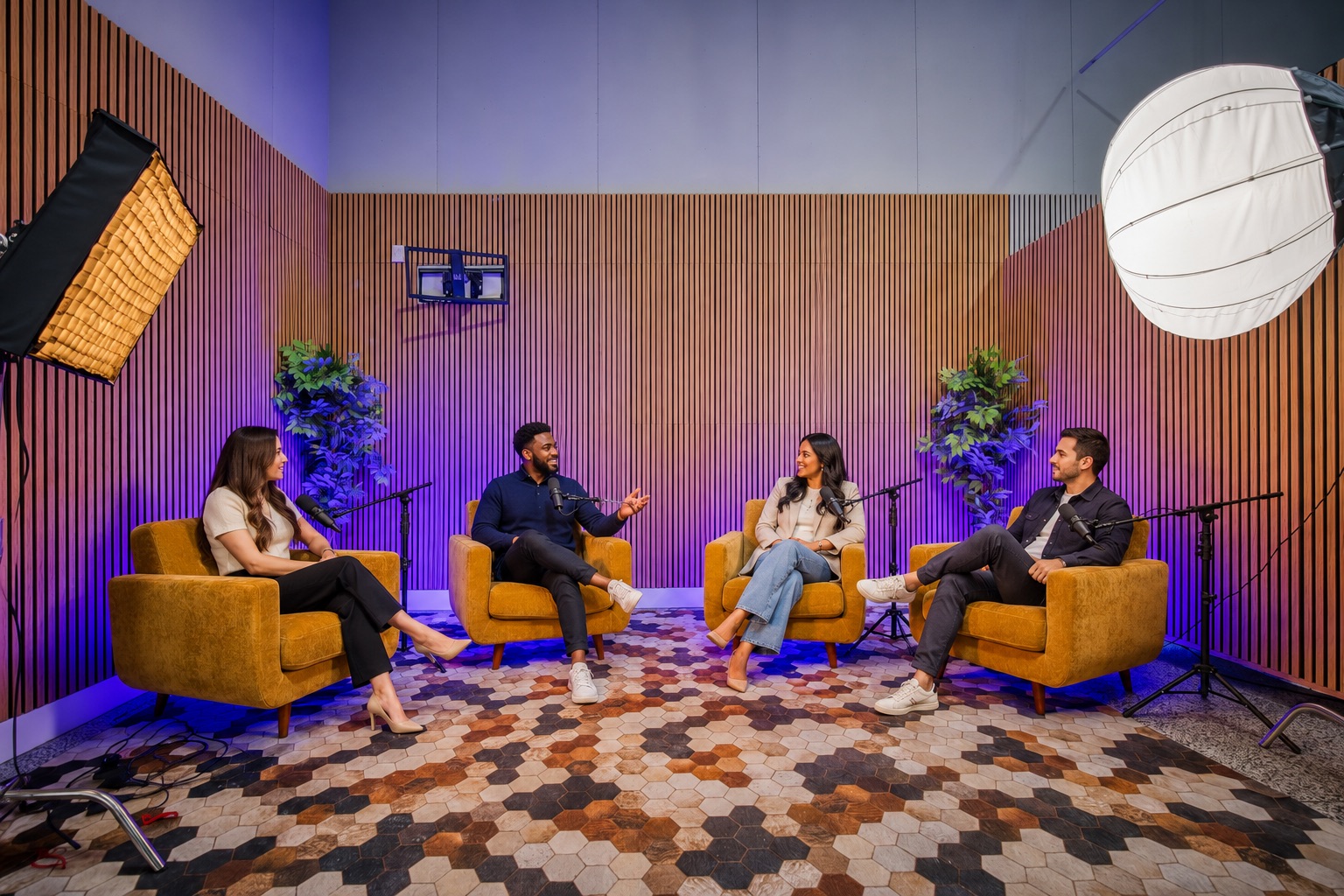
Translation fixes the last step, not the first one
A lot of bilingual content starts in English and gets subtitled later. That can help with accessibility, but it rarely creates resonance. The hook, the examples, and even the cadence of the message were designed for a different listener.
Real bilingual production starts upstream. You write for each audience on purpose, decide who should be on camera in each language, and shape the shoot so both versions feel native instead of adapted.
Creative direction changes too
Different audiences respond to different proof. One version of a video might need speed and offer clarity. Another might need warmth, family context, or a different framing of trust. Those are creative choices, not caption choices.
That is why bilingual production is a different shoot even when it happens in the same room on the same day. The business is speaking to two audiences on their terms.
Distribution matters as much as production
The downstream plan also changes. A bilingual content system should know which channels, communities, and chamber networks matter for each version of the message. Otherwise the work gets reduced to a translation exercise and loses most of its value.
When the scripting, hosting, and distribution are aligned from the beginning, bilingual content stops feeling like an add-on. It becomes work made for that audience from the first draft.
Translated copy tells an audience you remembered them late. Native production tells them you planned for them from the start.
More from the studio.

Get the studio's weekly notes.
We send one short note every Sunday. Mostly about how content actually gets made.